
Haiga Gallery 21.1
Selected by Ron C. Moss, Haiga Editor
About the Artists

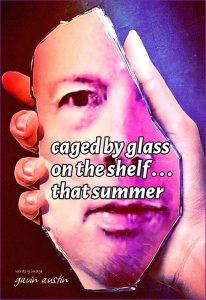
Gavin Austin lives in Sydney, Australia. He writes short fiction, short plays, and poetry. His work has appeared in many Australian and international publications.

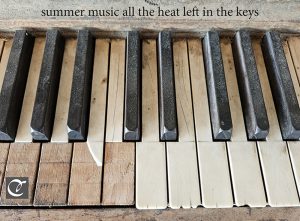
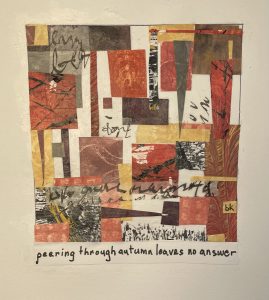
Making art—drawing, painting, collage, writing poetry and prose—has been a part of Cherie Hunter Day’s discovery process ever since she was a girl. She combined her passion for biology and art as a natural science illustrator. A House Meant Only for Summer (Red Moon Press, 2023) is her most recent collection. She lives in Auburn, New Hampshire.
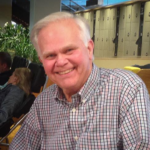
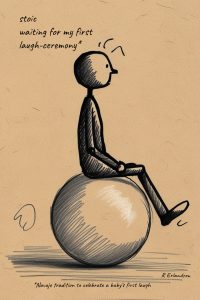
Robert Erlandson is a professor emeritus of engineering. His poetry, haiga and art appears in a variety of print and online journals. For more on his art, poetry and books (ZIP CODE 48209, Avian Art—Chaotic Creations, Together—Haiga Reflections of Humanity, and AWE), visit his website, https://www.circlepublications.net/.

Michelle Farrell is a multimedia artist and poet living in New Zealand. She recently developed a keen interest in haiga as a way of combining her imagery and words into new layered creations. Nature, ponderings about the way of things, and creative explorations fill many of her days.
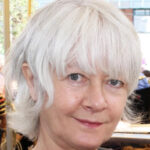
Katja Fox is a poet and visual artist from the United Kingdom. Her work can be found in leading poetry journals online and in print, as well as in her poetry collection …and out of nowhere. She loves hiking and listening to the red grouse in the Scottish mountains.

Louise Hopewell is an Australian poet and playwright based in Naarm/Melbourne. Her haiku awards include first place in the inaugural John Bird Dreaming Award for Haiku, 2020, and first place in the Haiku Down Under contest, 2024. When not writing, she can be found riding her bicycle or playing ukulele.

Barbara Kaufmann, a native New Yorker, is a retired nurse whose haiku, tanka, haibun, and haiga have appeared online and in print journals. Her haiga, several of which have won awards, have been shown on the Japanese television show “NHK Haiku Masters.” In addition to writing, her hobbies include hiking, gardening, photography and yoga. Her website is wabisabipoet.wordpress.com.

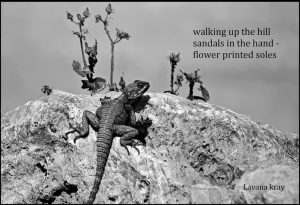
Lavana Kray lives in Iaşi, Romania. Her work has appeared in many print and online publications, and in 2023 the Laval Literary Society from Canada awarded her the André-Jacob-Entrevous Prize for a literary text (haiku) combined with an artistic visual. She currently serves as editor of haiga at Cattails (UHTS). See more of her work at https://photohaikuforyou.blogspot.com.

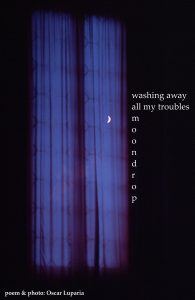
Oscar Luparia (born in Vercelli, Italy, in 1956) is a trade unionist. Mountains, photography, and haiku are his main passions. His work has appeared internationally in journals such as The Mainichi, Failed Haiku, Le Lumachine, Wales Haiku Journal, and Daily Haiga. He has also produced several digital collections, all available for free at https://archive.org/details/@oscar_luparia.
Beth McFarland was born and grew up in Northern Ireland but has made her home in Baden-Württemberg, Germany. Her background is in science, followed by a career in language teaching and pedagogy. She loves the challenge in haiga of combining words and image into a single work. Red Moon Press published a collection of her haiga, Birth, in 2021.

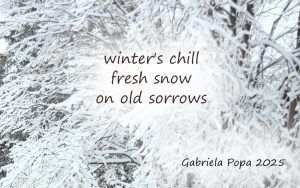
Gabriela Popa enjoys writing novels (Kafka’s House), short stories (When the Moon Had Feet) and non-fiction (Daily Gratitude Journal). Her love of Japanese poetic forms led to publications in Akitsu Quarterly, cattails, Blo͞o Outlier, Wales Haiku Journal, failed haiku, and Kingfisher, among others. She lives in St. Louis, Missouri.

Since being diagnosed with Parkinson’s Disease at 49, Tim Roberts tries to live a contemplative life of creativity that invites happenstance and playfulness … and he fails, but loves it. He’s hooked on haiku, haiga, and visual art, which bring him fulfillment and fun. He lives in Kapiti, New Zealand.

Shloka Shankar is a poet and visual artist from Bangalore, India. A Best of the Net nominee and award-winning haiku poet, she is the founding editor of Sonic Boom and its imprint, Yavanika Press. Her debut haiku collection, The Field of Why, was shortlisted for the Touchstone Distinguished Book Award in 2022.

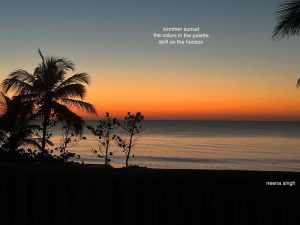
Neena Singh is a Touchstone-nominated haiku poet from Chandigarh, India, and an editor for The Wise Owl, Triveni, and Rhyvers. Author of three poetry books, she has won numerous awards. Neena runs a non-profit for underprivileged children and also spreads awareness about haiku in the educational and professional fora in the city.

Debbie Strange is a chronically ill short-form poet and haiga artist whose creative passions connect her more closely to the world and to herself. She is honored to be the recipient of the 2020 Snapshot Press Book Award for her full-length haiku collection Random Blue Sparks (Snapshot Press, 2024).

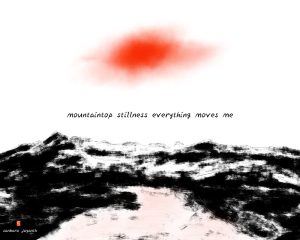
Sankara Jayanth Sudanagunta is passionate about the haikai forms. To one day write like the great Japanese masters is a lifelong goal for him. His haiku, senryu, and haiga have appeared in leading journals and also won awards in international contests. He is the founding editor of Haiku Seed Journal.
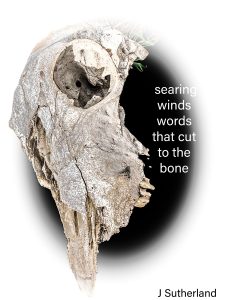
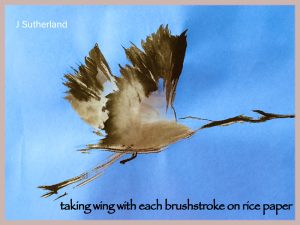
Jennifer Sutherland of Victoria, Australia, has been writing haiku since 2010. Her work has appeared in haiku anthologies published by Red Moon Press, the Haiku Society of America, and the Australia Haiku Society, as well as in a variety of journals, including Modern Haiku, Presence, and The Herons Nest.

Richa Sharma (aka Ranice Tara) resides in the National Capital Region of India. Apart from her interest in academics, she loves the world of haiku. Since 2019, her work has appeared in numerous online and print journals and anthologies dedicated to Japanese short-form poetry. She is an avid nature lover and a dreamer.

C.X. Turner is a UK poet and the author of evergreen—a collection of haiku, senryu and tanka (Alba Publishing). Her poems and artwork have been widely published, most recently earning her The Tejasvat Award (haikuKATHA). She is co-editor of Wales Haiku Journal and enjoys collaborating with other poets.


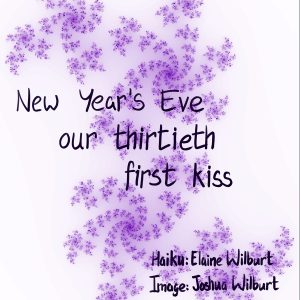
Elaine Wilburt is a mother and writer whose work has appeared in various online and print journals. Joshua Wilburt loves math, photography, and speed cubing. He often generates electronic images of math problems, like the Julia Set in the haiga presented here. He plans to study astrophysics in college.